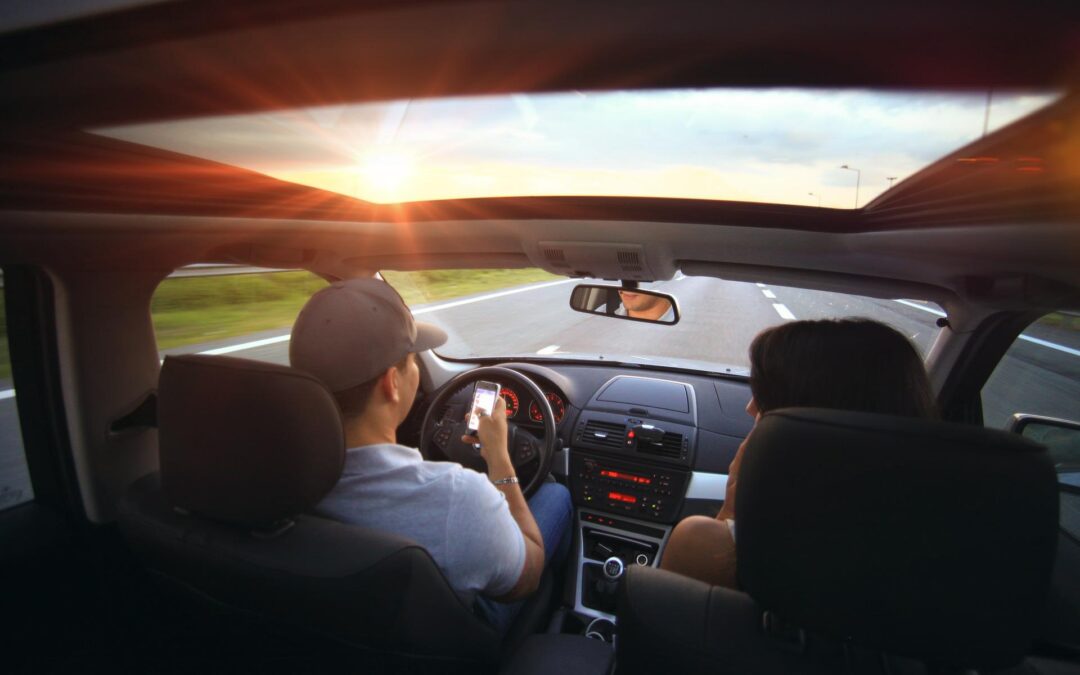
When summer arrives in Georgia, driving conditions change fast. Road construction increases, vacation traffic picks up, pedestrians and cyclists fill downtown areas, and sudden storms can reduce visibility in seconds. These seasonal shifts create real risks, even for careful drivers, and they contribute to a noticeable rise in serious crashes during the warmer months.
In addition to cars packed with luggage or towing boats and campers, Georgia drivers must contend with rapidly changing weather and heavier overall traffic. According to data from the Georgia Department of Transportation, traffic volume across the state increases by nearly 20 percent during the summer, contributing to higher crash and fatality rates between Memorial Day and Labor Day. Understanding the sources of these risks is the first step in protecting yourself and the people around you.
Below are the most common summertime driving hazards in Georgia and practical ways to reduce your risk.
1. Construction Zones and Work Area Traffic
Road construction ramps up across Georgia during spring and summer. Drivers regularly encounter cones, detours, and lane shifts on major routes such as I-575, Highway 92, and I-75. These changes, combined with impatient or distracted drivers, significantly increase the risk of rear-end collisions and sideswipe accidents.
Even a brief lapse in attention can lead to serious harm, especially when workers are close to live traffic. To stay safe in construction zones:
- Plan ahead. Use navigation tools like Waze or Google Maps to identify work zones and alternate routes.
- Allow extra time. Rushing through congestion increases the likelihood of mistakes.
- Merge early and slow down. Sudden lane changes cause many work-zone crashes.
- Stay focused. Avoid texting, adjusting apps, or multitasking behind the wheel.
- Follow signs and flaggers. They are there to move traffic safely through changing conditions.
Keep in mind that speeding fines double in Georgia work zones, and crashes in these areas can result in added penalties and liability.
2. Increased Pedestrian and Cyclist Traffic
Communities like Woodstock, Roswell, and Marietta attract residents and visitors with walkable downtowns and trail systems. Longer days and warm evenings mean more foot and bike traffic, especially during festivals and evening events. At the same time, distracted driving has made pedestrian crashes more common.
The Georgia Governor’s Office of Highway Safety reports that pedestrian fatalities have increased statewide in recent years. Drivers can reduce risk by:
- Stopping fully for pedestrians in crosswalks, as Georgia law requires.
- Never passing a vehicle stopped at a crosswalk.
- Slowing down and staying alert at night, when visibility is reduced.
- Looking carefully before turning at intersections.
- Eliminating distractions, including mobile devices.
Pedestrians also play a role in safety by using marked crosswalks and making eye contact with drivers before crossing.
3. Motorcycles and Recreational Vehicles
Summer brings more motorcycles, bicycles, and recreational vehicles onto Georgia roads. These vehicles are harder to see and handle differently than standard passenger cars. Contrary to common belief, many motorcycle crashes occur because another driver failed to yield or made an unsafe lane change.
According to the National Highway Traffic Safety Administration, nearly two-thirds of motorcycle crashes involve another vehicle violating the rider’s right of way. To drive safely:
- Check mirrors and blind spots carefully before changing lanes.
- Leave extra following distance behind motorcycles and bicycles.
- Never share a lane with a motorcycle.
- Give cyclists at least three feet of clearance when passing, as required by Georgia law.
- Expect slower acceleration and wider turns from RVs and trailers.
4. Heat and Vehicle Maintenance Hazards
Georgia’s heat puts added strain on vehicles. High temperatures increase the risk of tire blowouts, overheating engines, and battery failure, all of which can cause sudden breakdowns or accidents. Before long trips:
- Check tire pressure regularly.
- Inspect coolant, oil, and other fluid levels.
- Test brakes and replace worn components.
- Carry an emergency kit with water and basic roadside supplies.
Simple maintenance checks can prevent many summer-related vehicle emergencies.
Final Thoughts
Summer driving in Georgia requires extra awareness, patience, and preparation. Even cautious drivers can be injured due to someone else’s negligence, and those situations often leave people unsure of what to do next.
If you or someone you love has been hurt in a summer driving accident, Ron Debranski and his team at Debranski & Associates can serve as your legal guide. Their role is to help you understand your options, avoid missteps, and pursue fair compensation while you focus on recovery. When you are ready to take the next step, Debranski & Associates is here to help you move forward and get the settlement you deserve.